


学部受験生の方へ
-
ご挨拶
名古屋大学工学部の受験をお考えの皆様、このホームページをご覧いただき、誠にありがとうございます。このページをご覧になっている皆様に名古屋大学工学部を志望していただけることを願いつつ、名古屋大学工学部の入試の情報、教育の特徴をご紹介します。
まず初めに、大学には教育に関する3つの方針(①ディプロマ・ポリシー、②カリキュラム・ポリシー、③アドミッション・ポリシー)があります。これらは密接な関連性をもち、それぞれが、①「卒業認定・学位授与の方針」、②それを実現する「教育課程の編成・実施の方針」、③提供する教育プログラムに適った学生を選抜する「入学者受入れ・選抜の方針」を意味します。私たちは、この3つのポリシーを明確にした上で教育を行っています。
(名古屋大学を支える3つのポリシー)「工学」は社会課題を解決することを目的とした学問領域の集合体です。より具体的には、数学や科学的知見を駆使して様々な課題を解決し、社会に貢献するために体系化された学問分野と言えます。従って、工学研究科・工学部では教育・研究や様々な社会活動を通じて、社会に貢献をすることが大きなミッションとなります。このミッションを遂行できる人材を育てるため、工学部では独自の3つのポリシーを定めています。工学部のディプロマ・ポリシーでは、以下のポリシーを学位授与の方針としており、名古屋大学工学部の卒業生が身に着けるべき資質として定めています。
名古屋大学工学部ディプロマポリシー
「工学部が授与する学位は、工学を拓くための専門領域の知識や技術を身につけるとともに、幅広い視野と応用力・思考力を有し、科学に対する強い興味をもって、豊かな未来社会の創出に貢献できる人材であることを証します。」
このディプロマ・ポリシーを実現するためには、学生を選抜する「入学者受入れ・選抜の方針(アドミッション・ポリシー)」は大変重要です。名古屋大学工学部のアドミッション・ポリシーは、次のように定められています。
名古屋大学工学部アドミッションポリシー
「自然科学に対する強い興味と、人間や社会に対する幅広い関心をもち、工学を学ぶために十分な基礎学力を有するとともに、現代社会で直面する諸問題に果敢に挑戦し、それぞれの専門分野でグローバルなリーダーとして、社会に貢献し続ける意欲を有する人材を求めています。」
このアドミッション・ポリシーのもと、次に示す様々な入学試験を実施しています。一般選抜、学校推薦型選抜(大学入学共通テストを課す)、私費外国人留学生入試、国費外国人留学生・外国政府派遣留学生選抜試験等、3年次編入(高等専門学校)、3年次編入学(学士入学)、G30(化学系プログラム、自動車工学プログラム)。これらの入学試験の詳細は、本ページの「入試情報」をご覧ください。また、2025年度実施の学校推薦型選抜試験においては、6学科が女子枠を設けています。
名古屋大学工学部・工学研究科では、学部・大学院を一体としたシームレスな教育体制を構築し 、 基礎教育3年、専門教育3年(学部4年+博士前期課程2年)、高度専門教育3年(博士後期課程3年)の【3+3+3型教育システム】を実施しています。
これにより、適切な年次で専門分野を選択する Late specialization(入学時でなく3年次終了時点での専門分野選択)に対応する教育システムを提供しています。その中でも工学部では、基礎科目を重視し、現在の科学・技術の水準を理解し、創意改善しながら工学を応用する能力のある技術者・研究者の養成を教育目標として掲げています。 そして、専門性と総合性を備えた人材育成をめざし、適切な年次で専門分野が選択できるよう、 基礎教育に関して共通部分の多い分野を統合した7つの学科構成となっています。 安全教育、倫理教育、情報セキュリティ教育、知財教育等の導入教育を充実させるとともに、基礎を重視し、 専門系初期の科目(創成型科目)を充実させた教育カリキュラムを構築し、総合力、創造力、俯瞰力を涵養します。 このような教育を経て、3年次から4年次への進級時に自分の進みたい専門を考え、卒業研究に着手する研究室を選択します。研究室では、研究課題を教員と共に選定し、より専門的な知識を学んでいきます。 研究課題を遂行する過程で、知識を活用し、考え、未知の問題に対する解を導くための方法を見いだし、解を探求する力を身につけていただきます。 そこでは数学や自然科学だけでなく、文系総合科目や文系教養科目などの履修を通して、知識を知恵として活かせることを体験して欲しいと考えています。 名古屋大学は、総合大学として幅広い科目を用意し、皆さんの好奇心を刺激しながら成長を促す環境を整えています。
名古屋大学工学部・工学研究科は、2023年度に採択された世界展開力強化事業ではノースカロライナ州立大学を中心に米国9大学と連携し、2021年度に採択された世界展開力強化事業では上海交通大学、韓国海洋大学、チュラロンコン大学と連携するなど、海外の大学との活発な交流が行われています。大学院では、特にチュラロンコン大学との間で国際専攻を2022年度に開設し、2大学共同の教育プログラム(ジョイント・ディグリープログラム)を実施しています。工学部・工学研究科の海外協定校の増加に伴い、国際交流が加速しており、現在、名古屋大学工学部・工学研究科には38カ国以上から370名を超える留学生が学んでいます。 英語のみで卒業・修了できるコースや大学院のカリキュラムでも英語による講義が用意され、また、海外留学支援プログラムなども用意されています。 このような環境を是非活用して、国内だけにとどまらず、グローバルに活躍できる研究者・技術者を目指してください。
最後になりますが、このページをご覧になった一人でも多くの受験生の皆様が、名古屋大学工学部での学びに魅力を感じ、夢を持って門を叩いてくれることを願っています。
-
アドミッション・ポリシー
<入学者受入れの方針>
自然科学に対する強い興味と、人間や社会に対する幅広い関心をもち、
工学を学ぶための基礎学力と素養をもった意欲のある人を求めています。学部教育の理念
工学部では、基礎学力・専門知識の教育にとどまらず、社会・文化の発展を見極め、 広く工学の手法を応用できるように、工学全般にわたっての知識修得に留意しています。
学部の教育目標工学を拓くための学力および資質・能力を備え、 科学に対する強い興味をもとに社会に貢献する人の育成学部教育・基本方針
- 科学的な基礎知識と工学基礎を充実させます。
- 人文・社会科学等の関連する学問分野についての幅広い視野を確立させます。
- 基礎知識を柔軟に適用する豊かな応用力を養成します。
- 将来の創造性につながる基礎学力と技術・研究のあり方に対する基本的な素養を養成します。
- 十分な基礎知識を教授した後、多様な専門分野の選択肢を提供し、必要な専門性を養います(Late Specialization)。
名古屋大学 教育の基本方針(入学者受入の方針、教育課程編成・実施の方針、学位授与の方針)
四年間一貫教育
1年次から基礎科目や教養科目と並行して専門の科目を履修することになります。

上記のように、科目の適正な学年配分が行われ、卒業に必要な単位がバランスよく取得できるようになっています。

-
令和9年度 工学部 入学試験の概要
-
選抜方式・実施期日
本学では、一般選抜及び学校推薦型選抜等により学生を募集します。
一般選抜
分離・分割方式(前期日程)により、次のとおり募集します。
前期日程 後期日程 試験実施日 令和9年2月25日(木), 26日(金) 実施しない 学校推薦型選抜
工学部6学科学校推薦型選抜入試(女子枠)パンフレット
工学部6学科学校推薦型選抜における女子枠募集Q&A詳細は入試情報(学校推薦型選抜)をご覧ください。
-
募集人員
前期日程 後期日程 学校推薦型選抜 合計 工学部 620 - 80 700 -
入学者選抜方法
入学者の選抜方法は、一般選抜の場合は、大学入学共通テスト、個別学力検査、調査書により、学校推薦型選抜の場合は、大学入学共通テスト、面接、志願書、推薦書、調査書により、総合的に行います。 詳細については、「大学案内・選抜要項・募集要項・インターネット出願」をご覧ください。
-
入試に関するお問い合わせ
「お問い合わせ」をご覧ください。
上記以外にも、高等専門学校からの編入学制度、学士入学制度、私費外国人留学生入試制度、 国際プログラム群学部学生入試制度があります。
詳しくは下記の募集要項等一覧及び請求方法をご覧ください。
募集要項一覧及び請求方法
一般選抜・学校推薦型選抜
学生募集要項・大学案内等の入手方法をご覧ください。
※ 工学部案内「工学への道」も合わせてご請求いただけます。
インターネット出願の導入により、一般選抜学生募集要項および大学入学共通テストを課す学校推薦型選抜学生募集要項については、冊子体での配布は行いません。その他(外国人留学生入試)
外国人留学生
私費外国人留学生募集要項【注】令和9年度は、工学部の募集はありません。
学生募集要項・大学案内等の入手方法をご覧ください。
英語のみによる授業で学位が取得できる教育プログラム
国際プログラム群学部学生募集要項
国際プログラム群学部学生募集案内をご覧ください。
合格者発表は こちら からその他(編入試)
3年次編入学(高等専門学校卒業者対象)
令和9年度編入学試験(高等専門学校卒業者対象)の概要
令和8年度実施の編入学試験は、下記の通り募集を行います。
詳細な実施方法については、令和8年3月に公表される募集要項を必ず参照してください。○工学部3年次編入学(高等専門学校卒業者対象) 学科名 募集人員 選抜実施方法 化学生命工学科 若干名 基礎学力試験(英語 [TOEIC / TOEFLのスコア]、数学・物理・化学 [筆記試験])、面接(口頭試問)及び調査書により行う。 物理工学科 若干名 マテリアル工学科 若干名 電気電子情報工学科 若干名 機械・航空宇宙工学科 若干名 エネルギー理工学科 若干名 環境土木・建築学科 若干名 編入学学生募集要項
※TOEICのデジタル公式認定証の取扱いについて【重要】 自然災害等の不測の事態が生じた場合には、募集要項の記載内容に関わらず、入試実施日程や選考方法に変更が生じる可能性があります。 変更がある場合は、こちらのホームページに掲載しますので、常にホームページを確認ください。
各自所定用紙を以下からダウンロードし出願してください。
(A4版で印刷のうえ記入してください。)・カラー印刷して使用してください。
・返信封筒は長形3号、出願書類送付封筒は角形2号を各自用意してください。
・ラベルは剝がれ防止のため、のり付け後にセロハンテープ等でしっかり貼ってください。3年次編入学(大学卒業者対象)
令和6年度の募集から、当面の間学生募集を停止します。
募集再開の時期は未定です。自然災害等により被災した入学志願者に係る検定料の特別措置について(学部入試)
自然災害等により、被害に遭われた方々には、心よりお見舞い申し上げます。
名古屋大学では、自然災害等による経済的負担を軽減し、受験生の進学機会の確保を図るため、入学試験の検定料免除の特別措置を実施いたします。
なお、詳細は本学ホームページを確認してください。 -
-
学生生活
-
~日常生活編~

工学部に入ると、まずは全学教育棟で1年間、基礎科目、教養科目を中心に、専門系科目も少しずつ同時に学んでいきます。

広い名大東山キャンパスには食堂が12ヶ所。1年生にもっともなじみがあるのは南部食堂ですが、カフェでの軽食からラーメン・定食など、おなかと財布の状況に応じて利用できます。

陸上競技場、硬式・軟式庭球場、野球場といった数々の施設が整う総合運動場。各サークルの部室や更衣室を備えた建物も隣接しています。

講堂や、図書室、講義室、材料や構造の実験室から、建築学の製図室や研究室など、様々な施設があるES総合館。交流の場としても利用されます。

名大には様々なサークルが活動をしています。活動の拠点としてサークル棟があり、サークル同士の交流も盛んです。
名大の中には、他にもまだまだ様々な施設があります。蔵書数の多さを誇る附属図書館をはじめ、工学部には欠かせない最新の実験施設など、学生生活4年間を過ごすための充実した環境が整っています。この恵まれた環境で、素敵なキャンパスライフを送ってください!
-
~イベント編~
名大生の主な1年のイベントをご紹介。


名大では企画展や公開講座等、年間を通じて多種多様なイベントが行われています。 工学部でも高校生向けの体験イベントを毎年行っているのでぜひチェックしてください。
-
Undergraduate Programs
-
-
Message from the Dean
Message from the Dean
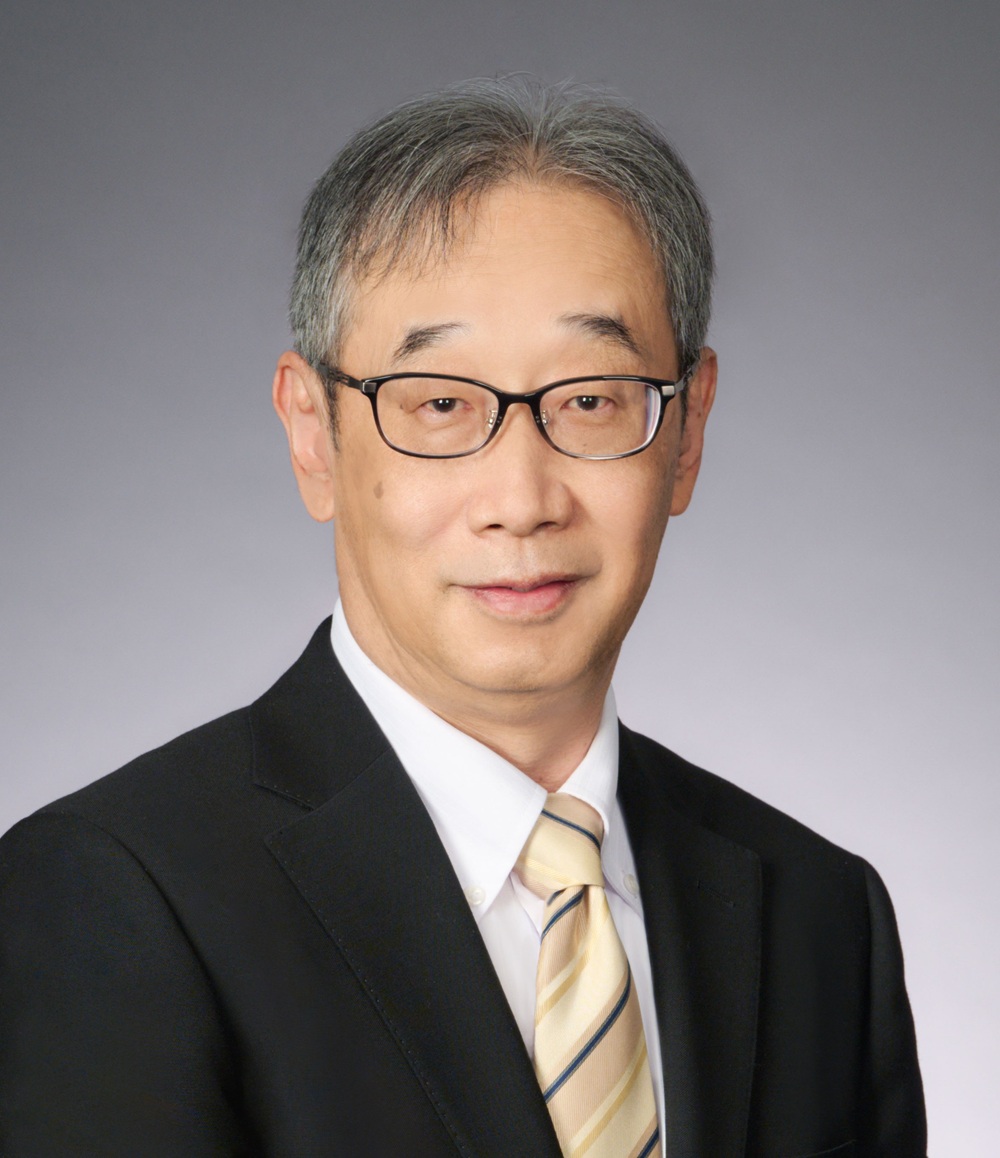
Thank you very much for visiting this website and for considering applying to the School of Engineering at Nagoya University. With the hope that those viewing this page will choose to apply, we introduce here the admissions information and educational features of the School of Engineering.
First, the School of Engineering has three policies related to education: (1) Diploma Policy, (2) Curriculum Policy, and (3) Admission Policy. These are closely related and respectively refer to: (1) the policy for awarding degrees, (2) the policy for organizing and implementing the curriculum to achieve this, and (3) the policy for admission and selection of students suited to the educational program. We conduct our education with these three policies clearly defined.
(Three Education policies of Nagoya University)Engineering is a collection of academic fields aimed at solving societal challenges. More specifically, it is a discipline systematized to contribute to society by applying mathematical and scientific knowledge to solve various problems. Accordingly, the School and Graduate School of Engineering consider contributing to society through education, research, and various social activities to be a major mission.
To fulfill this mission, we have established three policies. The Diploma Policy, among these, is defined as follows, and serves as the policy for awarding degrees and the qualities that graduates of the School of Engineering should possess.
Diploma Policy of the School of Engineering, Nagoya University
The degree certifies that graduates have acquired the knowledge and technical skills in specialized fields necessary to advance engineering, possess a broad perspective as well as applied ability and thinking skills, and, with a strong interest in science, are capable of contributing to the creation of a prosperous future society.
To realize this Diploma Policy, the Admission Policy is particularly important. The Admission Policy of the School of Engineering, Nagoya University is defined as follows:
Admission Policy of the School of Engineering, Nagoya University
We seek individuals who have a strong interest in natural sciences and broad concern for people and society, possess sufficient foundational academic ability to study engineering, and have the willingness to boldly take on the various challenges facing modern society and to continue contributing to society as global leaders in their respective fields.
Based on this Admission Policy, we conduct the following entrance examinations:
General Selection, School Recommendation-Based Selection (requiring the Common Test for University Admissions), Entrance Examination for Privately Financed International Students, Government-Sponsored and Foreign Government-Sponsored International Student Selection, Third-Year Transfer (from Colleges of Technology), Third-Year Transfer Admission (for bachelor’s degree holders), and G30 programs (Chemistry Program, Automotive Engineering Program). Please refer to the “Admissions Information” page for details. In addition, in the School Recommendation-Based Selection conducted for the 2025 academic year, six departments have introduced admission quotas for female applicants.
The School of Engineering and Graduate School of Engineering at Nagoya University have established a seamless, integrated education system spanning undergraduate and graduate studies, implementing a “3+3+3” educational system: three years of foundational education, three years of specialized education (fourth undergraduate year plus two-year master’s program), and three years of advanced specialized education (doctoral program).
This system provides an educational framework that supports late specialization, allowing students to choose their specialized field at an appropriate stage (at the end of the third year, rather than at the time of admission).
Within this system, the School of Engineering places emphasis on foundational subjects and aims to cultivate engineers and researchers who understand the current level of science and technology and are capable of applying engineering creatively while making improvements. To foster individuals with both specialization and broad competence, the School is organized into seven departments that integrate fields with common foundational components, allowing students to choose their specialization at an appropriate stage. In addition, we enhance introductory education such as safety education, ethics education, information security education, and intellectual property education, and construct a curriculum that emphasizes fundamentals while enriching early-stage specialized courses (creative, design-oriented subjects), thereby fostering comprehensive ability, creativity, and panoramic perspective. Through this education, students consider their desired specialization when advancing from the third to the fourth year and select a laboratory in which to begin their graduation research. In the laboratory, students work with faculty members to determine research topics, deepen their specialized knowledge, and, through the process of conducting research, acquire the ability to apply knowledge, think critically, identify methods for solving unknown problems, and pursue solutions. We also encourage students to experience how knowledge can be applied as wisdom through courses not only in mathematics and natural sciences but also in humanities and liberal arts subjects. As a comprehensive university, Nagoya University offers a wide range of courses and provides an environment that stimulates curiosity and fosters growth.
Under the Inter-University Exchange Project adopted in 2023, School of Engineering and Graduate School of Engineering collaborates with nine universities in the United States centered on North Carolina State University, and under the project adopted in 2021, we collaborate with Shanghai Jiao Tong University, Korea Maritime and Ocean University, and Chulalongkorn University; in this way, active exchange with overseas universities is being carried out. In particular, a joint degree program with Chulalongkorn University was established in 2022.
With the increasing number of overseas partner institutions, international exchange has accelerated, and currently more than 370 international students from over 38 countries are studying in the School and Graduate School of Engineering. Programs that can be completed entirely in English, as well as courses taught in English within the graduate curriculum, are available, along with support programs for studying abroad.
We encourage you to take advantage of this environment and aim to become researchers and engineers who can contribute not only within Japan but internationally as well.
Finally, we sincerely hope that many prospective students who have viewed this page will find studying at the School of Engineering at Nagoya University attractive and will take the step to pursue their aspirations here.
-
Message from the Dean
- Departments
-
Admission Policy
The school of Engineering develops individuals who acquire the academic knowledge and capabilities necessary to make breakthroughs in new fields of engineering and convert their interest in the sciences into tangible social contributions.
- Undergraduate Admissions Guide
大学院受験生の方へ
-
ご挨拶
名古屋大学大学院工学研究科の受験をお考えの皆様、このホームページをご覧いただき、誠にありがとうございます。以下では、大学院工学研究科が掲げる教育のポリシーおよび特徴について紹介いたします。工学研究科への多様な入学方法については、「入試情報」で学生募集要項を紹介しておりますので、そちらをご参照ください。
まず初めに、大学院には教育に関する3つの原則(①ディプロマ・ポリシー、②カリキュラム・ポリシー、③アドミッション・ポリシー)があります。これらは密接な関連性をもち、それぞれが、①「卒業認定・学位授与の方針」、②それを実現する「教育課程の編成・実施の方針」、③提供する教育プログラムに適った学生を選抜する「入学者受入れ・選抜の方針」を意味します。私たちは、この3つのポリシーを明確にした上で教育を行っています。
(名古屋大学を支える3つのポリシー : 博士前期課程)
(名古屋大学を支える3つのポリシー : 博士後期課程)「工学」は社会課題を解決することを目的とした学問領域の集合体です。より具体的には、数学や科学的知見を駆使して様々な課題を解決し、社会に貢献するために体系化された学問分野と言えます。従って、工学研究科・工学部では教育・研究や様々な社会活動を通じて、社会に貢献をすることが大きなミッションとなります。このミッションを遂行できる人材を育てるため、工学研究科では独自の3つのポリシーを定めています。工学研究科のディプロマ・ポリシーでは、以下のポリシーを学位授与の方針としており、名古屋大学大学院工学研究科の卒業生が身に着けるべき資質として定めています。
名古屋大学大学院工学研究科ディプロマ・ポリシー
「(前期課程)工学研究科博士前期課程の学位は、工学の専門領域の専門性と応用力を身につけるとともに、幅広く国際的な視野と総合力・俯瞰力を有し、実践的な研究遂行能力と問題発掘・解決能力をもって、次世代の「工学・技術」の持続的発展に寄与できる力を備えていることを証します。」
「(後期課程)工学研究科博士後期課程の学位は、工学の専門領域の高度な専門性と幅広い応用力を身につけるとともに、国際的な視野とリーダーシップ・創造力・総合力・俯瞰力を有し、国際水準の研究者として未知の挑戦的な課題に取り組み、新たな研究フロンティアを開拓し、次世代の「工学・技術」の創出に貢献する力を備えていることを証します。」
このディプロマ・ポリシーを実現するためにも、学生を選抜する「入学者受入れ・選抜の方針(アドミッション・ポリシー)」は大変重要です。名古屋大学大学院工学研究科のアドミッション・ポリシーは、次のように定められています。
名古屋大学大学院工学研究科アドミッション・ポリシー
「(前期課程)高度な専門力や総合力の修得に必要な基礎学力をもち、最先端の工学を探究・実践する意欲のある人を求めます。」
「(後期課程)博士前期課程修了者と同等以上の基礎学力、専門知識を有し、より高度な工学を探求し、新たな価値を創造することに意欲のある人を求めます。」
このアドミッション・ポリシーの下で、次に示す様々な入学試験を実施しています。
博士前期課程選抜、博士後期課程選抜(4月、10月入学、補欠募集)、博士課程外国人留学生選抜、博士後期課程名古屋大学・チュラロンコン大学国際連携サステイナブル材料工学専攻選抜(4月、10月入学)。これら入学試験の詳細は、本ページの「入試情報」をご覧ください。
名古屋大学工学部・工学研究科では、学部・大学院を一体としたシームレスな教育体制を構築し 、 基礎教育3年、専門教育3年(学部4年+博士前期課程2年)、高度専門教育3年(博士後期課程3年)の【3+3+3型教育システム】を実施しています。これにより、適切な年次で専門分野を選択する Late specialization(入学時でなく3年次終了時点での専門分野選択)に対応する教育システムを提供しています。
その中でも専門教育と高度専門教育を担う大学院工学研究科では、各分野の専門性の深化はもとより、分野横断型教育プログラムとして、工学関連研究所・センター等と連携した最先端教育プログラムを提供しています。また、研究室ローテーション、 イノベーション体験プロジェクト、研究インターンシップといった特徴的な科目群を各専攻に共通の総合工学科目として提供し、他専攻・他研究科・他大学で開講される科目の履修も義務付けることで骨太の総合力・創造力・俯瞰力を養います。
名古屋大学工学部・工学研究科は、2023年度に採択された世界展開力強化事業ではノースカロライナ州立大学を中心に米国9大学と連携し、2021年度に採択された世界展開力強化事業では上海交通大学、韓国海洋大学、チュラロンコン大学と連携するなど、海外の大学との活発な交流が行われています。大学院では、特にチュラロンコン大学との間で国際専攻を2022年度に開設し、2大学共同の教育プログラム(ジョイント・ディグリープログラム)を実施しています。工学部・工学研究科の海外協定校の増加に伴い、現実の国際交流が加速しており、現在、名古屋大学工学部・工学研究科には38カ国以上から370名を超える留学生が学んでいます。 英語のみで卒業・修了できるコースや大学院のカリキュラムでも英語による講義が用意され、また、海外留学支援プログラムなども用意されています。 このような環境を是非活用して、国内だけにとどまらず、グローバルに活躍できる研究者・技術者を目指してください。
最後になりますが、このページをご覧になった一人でも多くの皆様が、名古屋大学大学院工学研究科での学びに魅力を感じ、夢を持って門を叩いてくれることを願っています。
-
アドミッション・ポリシー
博士前期課程(修士課程)
<入学者受入れの方針>
高度な専門力や総合力の修得に必要な基礎学力をもち、最先端の工学を探究・実践する意欲のある人を求めます。
<選抜の基本方針>(合否判定の基準)
入学者受入れの方針にしたがって、各専攻において、語学力を含む基礎学力、専門知識の審査に加え、口頭試問による工学への探究心と意欲の審査を行い、総合的に評価し、選抜します。博士後期課程(博士課程)
<入学者受入れの方針>
博士前期課程修了者と同等以上の基礎学力、専門知識を有し、より高度な工学を探求し、新たな価値を創造することに意欲のある人を求めます。
<選抜の基本方針>(合否判定の基準)
入学者受入れの方針にしたがって、各専攻において、語学力を含む基礎学力、専門知識の審査に加え、口頭試問による博士後期課程での研究内容・実施計画の審査を行い、総合的に評価し、選抜します。本研究科の特色
名古屋大学大学院工学研究科では、他に例をみない、Late specialization に対応した3+3+3型教育システムを導入しました。
大学院では、総合工学科目を充実させ、総合力、俯瞰力ならびに創造力を養います。
博士後期課程では、多様なバックグラウンドの学生を受け入れ、最先端の高度な研究に従事し、イノベーティブマインドを養成します。

基本理念
大学院教育の基本方針 発展しつつある工学を修得し,工学的手法を駆使して,目標を効果的に達成するプロジェクトリーダーとして能力のある人材の育成 教育目標
-
博士前期課程
次世代の「工学・技術」を創造・牽引する能力を有し、専門性と同時に総合性と、国際的な視野を併せもった、研究者・技術者を育てます。 -
博士後期課程
次世代の「工学・技術」を創造・牽引する能力を有し、豊かな専門性と同時に高度な総合性と、広い国際的な視野を併せもった、研究者・技術者を育てます。
-
博士前期課程
-
合格者発表
合格者発表はこちらから
【入学辞退の場合】
- 入学辞退届について
- 合格者であって本学への入学の意志がなく、入学を辞退しようとする者は、「入学辞退届」を提出してください。
- 入学辞退届は下記よりダウンロードしてご使用ください。
- 博士前期課程において、「入学意思届」(令和8年9月18日(金)必着)で辞退理由を記載のうえ提出している場合は、入学辞退届の提出は不要です。
入学辞退届提出先
〒464-8603 名古屋市千種区不老町 名古屋大学工学部・工学研究科 教務課入学試験係
〇入学辞退届のダウンロードはこちらから
重要なお知らせ
-
令和9年度工学研究科外国人留学生入学試験実施方法について (令和8年8月1日)
-
令和9年4月入学博士前期課程入学試験に係る英語外部検定試験の取扱いについて (令和7年12月25日)
入試説明会
令和8年度大学院入試説明会一覧※説明会は募集要項の公開前に実施する場合もありますので注意してください。
博士前期課程入試における研究室配属のお知らせ
※各専攻のホームページも確認してください。
過去問の閲覧・請求方法
大学院入学試験に係る情報の公表募集要項
【重要】 自然災害等の不測の事態が生じた場合には、募集要項の記載内容に関わらず、入試実施日程や選考方法に変更が生じる場合があります。 変更がある場合は、こちらのホームページに掲載しますので、常にホームページを確認ください。
-
終了 {{ prospective.title }}
{{ prospective.schedule }}
更新日:
大学院入試に関する問い合わせ先:
〒464-8603 名古屋市千種区不老町
名古屋大学 工学部・工学研究科 教務課入学試験係
TEL 052-789-3978
E-mail:eng-admission[at]t.mail.nagoya-u.ac.jp
[at]は@に換えて下さい。自然災害等により被災した入学志願者に係る検定料の特別措置について(大学院入試)
自然災害等により、被害に遭われた方々には、心よりお見舞い申し上げます。
名古屋大学では、自然災害等による経済的負担を軽減し、受験生の進学機会の確保を図るため、入学試験の検定料免除の特別措置を実施いたします。
なお、詳細は本学ホームページを確認してください。 -
博士・ポスドクのキャリアパス支援
名古屋大学では、若手研究者(博士人材)のキャリアパス支援として、個人面談、B人セミナー、インターンシップ、企業情報の提供等の様々な機会を提供しています。
博士人材は、大学院での研究を通して専門性はもちろん、多様な能力を培ってきています。修了後のキャリアとして、アカデミックポディションに限らず、多彩な業界や職で活躍している博士人材が増えてきました。
研究者として新しい知の創出や教育者として次世代研究者の育成以外にも、産業界で事業のグローバル展開、新規事業開拓、社内の活性化、イノベーション創出、国際協力や自治体の施策立案など、活躍の場は多様です。
大学院で多くの経験をして、これからの自分のキャリアを見つけましょう。進路、就職などに迷ったら、気楽に一報ください。
詳しくは「キャリア教育室」のWebサイトへ
Graduate Programs
-
-
Message from the Dean
Message from the Dean
Thank you very much for visiting this website and for considering applying to the Graduate School of Engineering at Nagoya University. Below, we introduce the educational policies and characteristics of the Graduate School of Engineering. For details on the various admission methods to the Graduate School of Engineering, please refer to the “Admissions Information,” where the application guidelines are provided.
First, the Graduate School has three policies related to education: (1) Diploma Policy, (2) Curriculum Policy, and (3) Admission Policy. These are closely interrelated, and respectively refer to: (1) the policy for graduation certification and degree conferment, (2) the policy for the organization and implementation of the curriculum to achieve this, and (3) the policy for the admission and selection of students suited to the educational programs offered. We conduct our education based on these three policies, which are clearly defined.
(Three Education policies of Nagoya University : Master's Degree Program)
(Three Education policies of Nagoya University : Doctoral Degree Program)Engineering is an integrated body of academic fields aimed at solving societal challenges. More specifically, it can be described as a discipline systematized to contribute to society by applying mathematical and scientific knowledge to solve various problems. Accordingly, contributing to society through education, research, and various social activities is a major mission of the Graduate School of Engineering.
To cultivate individuals capable of fulfilling this mission, the Graduate School of Engineering has established its own three policies. The Diploma Policy, among these, defines the policy for degree conferment and the qualities that graduates of the Graduate School of Engineering should possess.
Diploma Policy of the Graduate School of Engineering, Nagoya University
(Master’s Program / Doctoral First Stage)
The degree certifies that the individual has acquired expertise and applied ability in a specialized field of engineering, possesses a broad international perspective as well as comprehensive ability and an overarching perspective, and has practical research capability and the ability to identify and solve problems, thereby enabling them to contribute to the sustainable development of next-generation engineering and technology.(Doctoral Program / Doctoral Second Stage)
The degree certifies that the individual has acquired advanced expertise and broad applicability in a specialized field of engineering, possesses an international perspective along with leadership, creativity, comprehensive ability, and an overarching perspective, and has the ability to tackle unknown and challenging problems as a researcher at an international level, pioneer new research frontiers, and contribute to the creation of next-generation engineering and technology.To realize this Diploma Policy, the Admission Policy is particularly important. The Admission Policy of the Graduate School of Engineering, Nagoya University is defined as follows:
Admission Policy of the Graduate School of Engineering, Nagoya University
(Master’s Program)
We seek individuals who possess the fundamental academic ability necessary to acquire advanced expertise and comprehensive ability, and who have the motivation to explore and practice cutting-edge engineering.(Doctoral Program)
We seek individuals who possess academic ability and specialized knowledge equivalent to or exceeding those who have completed a master’s program, and who have the motivation to pursue more advanced engineering and create new value.Under this Admission Policy, the following entrance examinations are conducted:
Master’s Program Selection, Doctoral Program Selection (April and October admission, including additional recruitment), International Student Selection for Doctoral Programs, and the Nagoya University–Chulalongkorn University International Collaborative Program in Sustainable Materials Engineering (Doctoral Program; April and October admission). Please refer to the “Admissions Information” page for details of these examinations.
The School of Engineering and Graduate School of Engineering at Nagoya University have established a seamless education system integrating undergraduate and graduate education, and implement a “3+3+3” educational system consisting of three years of foundational education, three years of specialized education (fourth undergraduate year plus two-year master’s program), and three years of advanced specialized education (doctoral program).
This provides an educational system that supports late specialization, in which students select their field of specialization at an appropriate stage (at the end of the third year, rather than at the time of admission).
Within this system, the Graduate School of Engineering, which is responsible for specialized education and advanced specialized education, not only deepens expertise in each field but also provides advanced educational programs in collaboration with engineering-related research institutes and centers as interdisciplinary educational programs.
In addition, a set of distinctive courses—such as laboratory rotation, innovation experience projects, and research internships—is provided as common integrated engineering subjects across all departments. By also requiring students to take courses offered by other departments, other graduate schools, and other universities, strong comprehensive ability, creativity, and an overarching perspective are cultivated.
Under the Inter-University Exchange Project adopted in 2023, collaboration is carried out with nine universities in the United States centered on North Carolina State University, and under the project adopted in 2021, collaboration is carried out with Shanghai Jiao Tong University, Korea Maritime and Ocean University, and Chulalongkorn University; in this way, active exchange with overseas universities is being carried out.At the graduate level, an international program with Chulalongkorn University was established in 2022, and a joint degree program conducted jointly by the two universities is implemented.
With the increase in overseas partner institutions, international exchange is accelerating, and currently more than 370 international students from over 38 countries are studying in the School of Engineering and Graduate School of Engineering at Nagoya University. Programs that can be completed entirely in English, as well as courses taught in English within the graduate curriculum, are provided, and support programs for studying abroad are also available.
We strongly encourage you to take advantage of this environment and aim to become researchers and engineers who can contribute globally, not only within Japan but internationally.Finally, we sincerely hope that as many of you as possible who have viewed this page will find studying at the Graduate School of Engineering at Nagoya University attractive and will take the step to pursue your aspirations here.
-
Message from the Dean
- Departments
-
Admission Policy
The Graduate School of Engineering positively encourages applicants with the basic academic skills necessary to achieve expertise as well as comprehensive knowledge, who explore and expand the frontiers of engineering.
-
Selection Process (Criteria for Pass/Fail)
In line with the admissions policy, each department will select students by a comprehensive evaluation through assessment of their basic academic abilities (including linguistic skills) and specialized knowledge, as well as the content and plans for their doctoral research, based on their grades on a written test and oral assessment, document screening, etc.
- Graduate Admissions Guide
Graduate Admissions
【In case of declining admission】
About Notification of Withdrawal from Admission
- If you are a successful applicant but have no intention of enrolling in our university and wish to decline admission, please submit a "Notification of Withdrawal from Admission."
- Please download and use the Notification of Withdrawal from Admission form below.
- In the master's program, if you have submitted a "Notice of Intention to Enroll" (must arrive by Friday, September 18, 2026) with a description of the reason for declining admission, you do not need to submit a "Notification of Withdrawal from Admission."
Mail and submission address:
Student Affairs Division (3rd floor of ES building-) Graduate School of Engineering, Nagoya University Furo-cho, Chikusa-ku, Nagoya 464-8603 Japan
Download it below.
Important Notice
-
The selection method for International Student Admission to Graduate Study Programs AY 2027 (Beginning in April 2027) at the Graduate School of Engineering (Updated on August 1, 2026)
-
Precautions for taking the Graduate School Entrance Examination (only in Japanese) (Updated on July 1, 2026)
-
Regarding external English proficiency test for the Master's Program Entrance Examination of the Graduate School of Engineering for April 2027 admission (only in Japanese) (Updated on December 25, 2025)
Announcement of Results
Click here for Announcement of Results
Information Guidance on Graduate Admission (only in Japanese)
Information on sessions for admission of academic year 2026
Publication of information on graduate school entrance examinations (only in Japanese)
Application Guidelines
Due to the declaration of a state of emergency due to the spread of the new coronavirus infection, there may be changes to the examination schedule and selection method regardless of the information on the application guidelines. Any changes will be posted on this website.
Frequently Asked Questions about the Graduate School Entrance Examination (only in Japanese)
-
closed {{ prospective.title }}
{{ prospective.schedule }}
Update:
* Please be sure to check the website of your desired department in addition to the application guidelines, as there may be some precautions when applying for each department.
* All times indicated in the Application guidelines refer to Japan Standard Time(UTC+09).
Note:
The application guideline in paper form (booklet) has been discontinued.
Please download the application guideline from this website.
Contact
Mailing Address:
Student Affairs Division, Graduate School of Engineering, Nagoya University
Furo-cho, Chikusa-ku, Nagoya, 464-8603, Japan
e-mail:eng-admission[at]t.mail.nagoya-u.ac.jp
*Please change [at] to @.
Request of past exam questions
Please contact the offices of each department.
| Departments | TEL | Location | |
|---|---|---|---|
| Molecular and Macromolecular Chemistry | +81-(0)52-789-2660 | admission[at]chembio.nagoya-u.ac.jp *Please change [at] to @. |
School of Eng. Build.1 2F |
| Materials Chemistry | |||
| Biomolecular Engineering | |||
| Applied Physics | +81-(0)52-789-4469 | office[at]ap.pse.nagoya-u.ac.jp *Please change [at] to @. |
School of Eng. Build.3 C.2F |
| Materials Physics | +81-(0)52-789-3562 | office[at]mp.pse.nagoya-u.ac.jp *Please change [at] to @. |
|
| Materials Design Innovation Engineering | +81-(0)52-789-2761 | officemate[at]material.nagoya-u.ac.jp *Please change [at] to @. |
School of Eng. Build.5 2F |
| Materials Process Engineering | |||
| Chemical Systems Engineering | |||
| Electrical Engineering | +81-(0)52-789-3643 | jimu[at]nuee.nagoya-u.ac.jp *Please change [at] to @. |
IB Build. N. 1F |
| Electronics | |||
| Information and Communication Engineering | |||
| Mechanical Systems Engineering | +81-(0)52-789-3301 | mae_jimu[at]mae.nagoya-u.ac.jp *Please change [at] to @. |
School of Eng. Build.2 C.3F |
| Micro-Nano Mechanical Science and Engineering | |||
| Aerospace Engineering | |||
| Energy Engineering | +81-(0)52-789-3399 | qjuken[at]energy.nagoya-u.ac.jp *Please change [at] to @. |
School of Eng. Build.5 2F |
| Applied Energy | |||
| Civil and Environmental Engineering | +81-(0)52-789-3735 | jimu[at]civil.nagoya-u.ac.jp *Please change [at] to @. |
School of Eng. Build.8.N. 1F |
Research Students
For prospective Research students
Application and Continuation Procedures
Applicants who wish to become undergraduate research students or graduate research students should select the appropriate category from the table below to find out how to apply.
*Application periods are for reference only.
Application Category
-
Applicants with Japanese nationality
Application Guide for Research Students and Graduate Research Students pdf.
(including prescribed forms) *Japanese only
*Application Period Reference: April enrollment: Late February / October enrollment: Late September -
Non-Japanese nationals who are currently enrolled as a regular student in the School of Engineering or Graduate School of Engineering. Foreign nationals with permanent residency in Japan (Permanent Residents)
Application Guide for Research Students and Graduate Research Students pdf.
(including prescribed forms) *Japanese only
*Application Period Reference: April enrollment: Mid-January / October enrollment: Early August -
Applicants who have nationality other than Japanese nationality
Research Student Application Guide
*April enrollment: Early September October enrollment: Mid-February -
Those who are currently a research student at the Faculty of Engineering or Graduate School of Engineering and wish to continue their enrollment as a research student.
Guide for continuing as a research student (including privately financed students) pdf.
(Including the prescribed form) *Japanese only
*Application Period Reference: April enrollment: Late February / October enrollment: Late September
名古屋大学
工学部長・工学研究科長
鈴木 達也